One-Stop Solutions for PCB and PCBA Success
In the fast-paced world of technology, the ability to move quickly from a concept to a finished product is a major competitive advantage. Managing multiple vendors for fabrication, assembly, and testing can lead to delays, miscommunication, and increased costs for the project manager. Choosing a one-stop service provider allows companies to streamline their workflow and ensure that their complex electronics are produced with a single, cohesive strategy.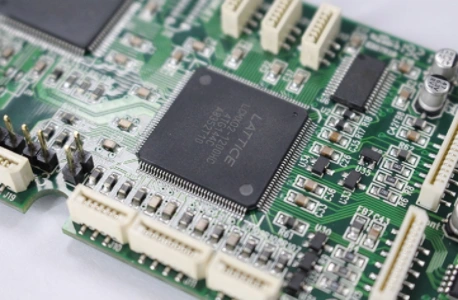
This integrated approach is especially beneficial for projects that involve high-difficulty designs and advanced materials that require specialized handling. By centralizing all manufacturing resources, a single team can oversee the entire lifecycle of the board, ensuring quality and consistency at every stage. This results in faster turnaround times, higher yields, and a more reliable final product for customers in industries ranging from industrial power to high-compute AI.
Industrial Reliability and Heavy Copper PCB Integration
Industrial machinery and power electronics are the backbone of modern infrastructure, requiring hardware that can survive in the harshest conditions. These systems often face extreme vibrations, high temperatures, and massive electrical surges that would destroy a standard circuit board. Implementing a Heavy Copper PCB provides the structural strength and electrical capacity needed to handle these industrial-grade challenges with ease.
The thicker copper traces act as robust power conduits that prevent overheating and ensure stable operation for long-term deployments. This durability is vital for motor drives, high-capacity battery systems, and outdoor telecommunications equipment that must perform without fail. By focusing on robust power design, manufacturers can provide their clients with the peace of mind that their systems are built to last in any environment.
Optimizing Small Devices with Rigid-Flex PCB Solutions
As the demand for wearable technology and smart medical devices grows, the need for space-saving circuit designs has never been greater. Fitting complex electronics into a small, ergonomic housing is a puzzle that requires a three-dimensional approach to board layout and internal wiring. Using a Rigid-Flex PCB allows designers to fold the circuit to fit the device, eliminating the need for bulky and unreliable connectors.
This technology not only saves space but also increases the mechanical reliability of the device by reducing the total number of parts. The flexible sections provide a durable connection that can withstand the bending and movement typical of wearable products or portable diagnostic tools. For companies looking to innovate in the consumer and medical sectors, this flexibility is a key driver of product performance and user comfort.
Engineering Collaboration for a Heavy Copper PCB Build
Successful manufacturing starts with a strong partnership between the design engineer and the production team at the factory. Detailed engineering collaboration helps identify potential manufacturing issues, such as uneven copper distribution, before they lead to scrapped boards. A Heavy Copper PCB project requires specific attention to the thermal profile of the board to ensure it can be soldered correctly during assembly.
Technical experts provide valuable feedback on the material stack-up and trace dimensions to optimize the design for high-current performance. This proactive approach ensures that the board is not only functional but also cost-effective to produce at a large scale. By working together, the team can overcome the unique challenges associated with thick copper fabrication and deliver a superior product to the market.
Mastering the Assembly of a Rigid-Flex PCB Module
Assembling high-density components onto a hybrid board requires a combination of modern machinery and deep technical knowledge. The SMT process must be carefully controlled to prevent warping or damage to the flexible sections of the assembly. A Rigid-Flex PCB is typically assembled using specialized fixtures that hold the board in place and ensure precise component alignment for the pick-and-place machines.
Professional PCBA services include functional testing and environmental stress screening to verify that the assembly can perform under pressure. This rigorous testing is particularly important for aerospace and automotive applications where safety is the top priority for the user. High-quality assembly ensures that the final product is ready for immediate integration into the larger system, reducing the time to market for the client.
Prototyping to Mass Production with Heavy Copper PCB Tech
The journey from a single prototype to a large-scale mass production run is a critical path that requires careful planning and stable resources. Prototyping allows for the verification of the thermal and electrical characteristics of the design in a real-world scenario. A Heavy Copper PCB prototype is essential for testing the board's ability to handle high currents and dissipate heat effectively before committing to a larger order.
Once the design is validated, the manufacturer must be able to scale the production while maintaining the same level of quality for every board. Consistent plating times and precise etching are necessary to ensure that the thick copper features remain uniform across thousands of units. This stability in mass production is what allows global companies to rely on their manufacturing partners for their most important product lines.
Signal Integrity in a Complex Rigid-Flex PCB Design
Maintaining clean signals at high speeds is one of the most difficult tasks in modern electronic design, especially when using flexible substrates. The lack of a continuous rigid plane can lead to impedance mismatches and signal reflections if the traces are not routed carefully. A Rigid-Flex PCB requires a sophisticated layout that accounts for the changes in material properties between the rigid and flexible sections of the board.
Engineering support teams use advanced simulation tools to check for signal integrity issues and provide advice on grounding strategies. This level of technical oversight is necessary to ensure that the board can support high-speed data transmission without errors or interference. By addressing these issues during the design phase, manufacturers can ensure that their high-tech products perform reliably in the field.
Manufacturing Resources for High-Quality Heavy Copper PCB
Having the right tools for the job is essential for any high-difficulty fabrication project, from simple boards to complex multi-layer systems. Modern manufacturing resources, such as automated plating lines and high-speed drilling machines, allow for the creation of precise and durable hardware. A Heavy Copper PCB requires specialized etching tanks and chemical processes to handle the increased thickness of the copper layers without over-etching.
Regular equipment maintenance and process audits are necessary to ensure that the factory continues to operate at peak efficiency and quality. This commitment to excellence in the manufacturing environment is what allows a partner to deliver high-quality boards consistently for years. Investing in the best resources is a strategic choice that benefits both the manufacturer and the customer through better yields and higher performance.
Global Customer Support for Rigid-Flex PCB Projects
In a global market, providing excellent customer support is just as important as producing high-quality hardware for the tech industry. Clients need a partner who can communicate clearly in multiple languages and provide technical assistance throughout the entire project. A Rigid-Flex PCB manufacturer with a global focus offers the documentation, testing, and logistics support needed to serve customers across the world.
Providing transparent updates on production status and shipping timelines helps clients manage their own schedules and meet their project milestones. Comprehensive after-sales support ensures that any technical questions or issues are addressed quickly and professionally by the engineering team. This focus on the customer experience is what builds the trust and loyalty needed for long-term success in the competitive electronics sector.
Conclusion: Achieving Excellence with Heavy Copper PCB Technology
The demand for more powerful, flexible, and reliable electronics is continuing to grow, and the industry must rise to meet these challenges. Integrated services and advanced manufacturing techniques are the keys to delivering the high-quality hardware that modern projects require. As we have seen, a Heavy Copper PCB is an essential tool for managing power and heat in a wide variety of industrial and high-tech applications. By partnering with the right experts, companies can ensure their innovative designs are realized with precision and reliability for a global audience.